



World Obesity Day: Potential Diseases Caused by Obesity
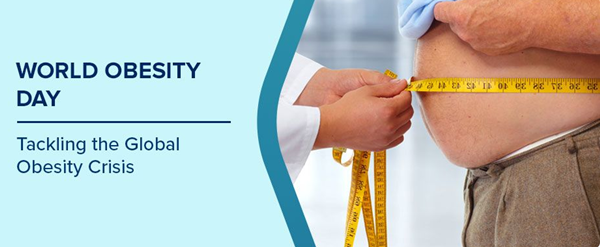
March 4th is World Obesity Day, intended to remind us of the global health problem of obesity . Obesity is not just about body shape; it is a chronic disease defined by the WHO and a major contributing factor to many other chronic disease .
Obesity, especially the accumulation of visceral fat, can trigger as eries of serious health problems. Below are the potential diseases caused by obesity, categorized by body system:
1. Metabolic System
- II Diabetes: This is one of the most common complications of obesity. Obesity leads to insulin resistance, which means that the body’s cells are not sensitive to insulin. This prevents glucose from being effectively used for energy, leading to high blood sugar levels.
- Dyslipidemia (High Cholesterol): Fat metabolism is often disrupted in individuals with obesity. This typically manifests as elevated triglycerides and LDL cholesterol (the “bad” cholesterol), and decreased HDL cholesterol (the “good” cholesterol), accelerating vascular damage.
- Hyperuricemia and Gout: Obesity affects the metabolism and excretion of uric acid, increasing its levels in the blood and raising the risk of developing gout.
2. Cardiovascular System
- Hypertension : To supply blood to a larger body mass, the heart must work harder, and vascular resistance increases, leading to higher blood pressure. Obesity is a primary risk factor for essential hypertension.
- Coronary Heart Disease and Myocardial Infarction : High cholesterol, high blood pressure, and high blood sugar damage the endothelium (inner lining) of arteries, leading to atherosclerosis. This can narrow or block the coronary arteries (which supply blood to the heart), causing angina or a heart attack.
- Heart Failure: Long-term overwork can cause the heart muscle to thicken and eventually weaken, reducing its ability to pump blood effectively, leading to heart failure.
- Stroke:Atherosclerosis also affects cerebral blood vessels. Blockage or rupture of these vessels can lead to a stroke.
3. Respiratory System
- Sleep Apnea: This is a serious and common condition in individuals with obesity. Excess fat around the neck can compress the upper airway during sleep, causing repeated pauses in breathing. This leads to oxygen deprivation, disrupts sleep, and increases the risk of hypertension, arrhythmias, and sudden death.
- Asthma: The chronic inflammation associated with obesity can also affect the airways, increasing the risk of developing asthma or making existing asthma more difficult to control.
4. Digestive System
- Non-alcoholic Fatty Liver Disease (NAFLD):Excess fat accumulates in liver cells. This can progress from simple fatty liver (steatosis) to non-alcoholic steatohepatitis (NASH), which may eventually lead to cirrhosis or even liver cancer.
- Gastroesophageal Reflux Disease (GERD): Increased abdominal pressure from excess fat can push stomach acid back up into the esophagus, causing heartburn and regurgitation. Chronic GERD increases the risk of esophageal cancer.
- Gallstones: Individuals with obesity often have higher cholesterol concentrations in their bile, making it more likely to crystallize and form stones in the gallbladder.
5. Musculoskeletal System
- Osteoarthritis: Excess body weight places tremendous stress on weight-bearing joints like the knees, hips, and ankles, accelerating the wear and tear of cartilage and leading to osteoarthritis and chronic pain.
6. Reproductive and Urinary Systems
- In Women: Obesity disrupts hormonal balance, leading to menstrual irregularities, anovulation (lack of ovulation), and subsequent infertility. During pregnancy, obesity increases the risk of gestational diabetes, pre-eclampsia, and having a large baby (macrosomia).
- In Men: Obesity can lead to lower androgen (testosterone) levels and relatively higher estrogen levels, contributing to sexual dysfunction and infertility.
- Stress Urinary Incontinence:Increased abdominal pressure from excess fat can press on the bladder, leading to urine leakage during activities like coughing, sneezing, or jumping.
7. Mental and Psychological Health
- Depression and Anxiety: Individuals with obesity may face social stigma, prejudice, and discrimination related to their body size, leading to low self-esteem, social isolation, and a higher risk of mood disorders like depression and anxiety.
8. Cancer Risk
The International Agency for Research on Cancer (IARC) has identified that obesity is associated with an increased risk of at least 13 types of cancer, including:
- Esophageal adenocarcinoma
- Colorectal cancer
- Breast cancer (post-menopausal)
- Endometrial cancer
- Kidney cancer
- Liver cancer
- Pancreatic cancer
- Stomach cancer
- Ovarian cancer
- Gallbladder cancer
- Thyroid cancer
- Multiple myeloma
- Meningioma
In summary,obesity is not simply an issue of physical appearance but a systemic disease that affects the entire body. It can significantly shorten life expectancy and diminish quality of life.
The encouraging news is that many of these health risks associated with obesity can be reversed or improved through scientific weight management. Even losing 5%-10% of your body weight can have a very positive impact on blood pressure, blood sugar, and cholesterol levels.
On World Obesity Day, understanding this information and focusing more on health is meaningful. If you or someone you know is struggling with this, would you like some specific advice on scientific weight loss methods?
Post time: Mar-03-2026