



Why Is Liver Cancer Often Diagnosed Late? This Biomarker Is A Key “Early Warning Sign”
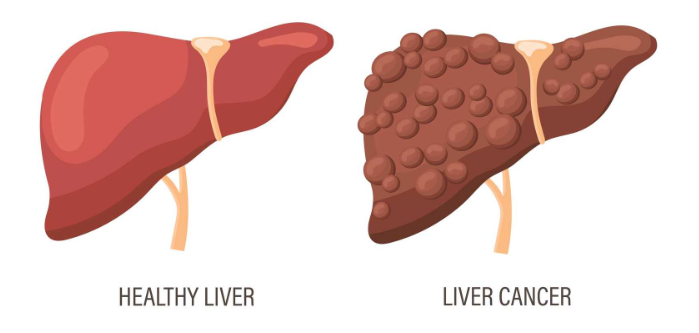
In many people’s minds, liver cancer always seems to strike “silently” and out of nowhere—by the time it’s diagnosed, it’s often already at an intermediate or advanced stage, with the optimal treatment window missed. This is no illusion: clinically, over 70% of liver cancer patients are diagnosed at a stage where curative surgery is no longer possible. Why is this the case? Is liver cancer truly so “sneaky”?
Reason One: The Liver Is a “Silent Organ”
The liver has an enormous compensatory capacity—even when only about 30% of its cells are functioning normally, it can still maintain the body’s basic metabolic needs. What’s more, there are almost no pain nerve endings inside the liver. An early-stage liver tumor, typically just a few centimeters or even smaller, causes no pain or noticeable discomfort. Only when the tumor grows large enough to invade the liver’s outer capsule or surrounding tissues do patients experience right-upper-quadrant pain or bloating—but by that point, the disease has often progressed significantly.
Reason Two: Early Symptoms Are Easily Overlooked
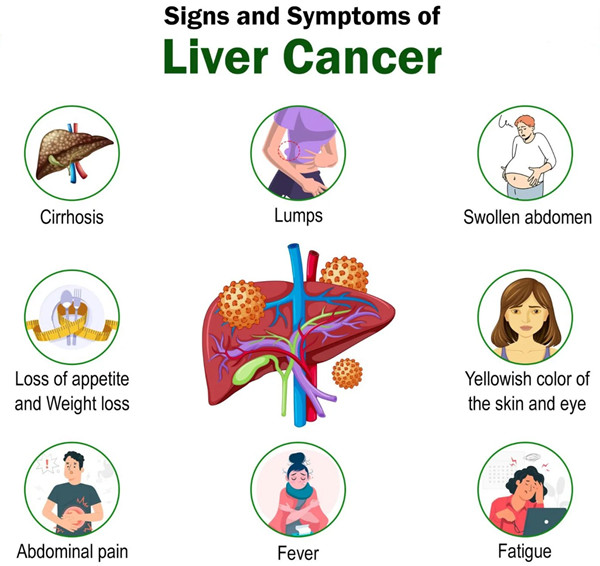
Even when subtle early signs do appear—such as mild fatigue, poor appetite, or a feeling of fullness after meals—many people dismiss them as “just being tired” or “stomach trouble,” never connecting them to the liver. By the time more obvious symptoms arise, such as significant weight loss, jaundice, ascites (abdominal fluid buildup), or leg swelling, the disease is usually already advanced.
The Critical Tool: AFP—The “Early Sentinel” of Liver Cancer
Since symptoms can’t be relied upon, what can help us detect it early? The answer lies in AFP( Alpha-Fetoprotein.)
AFP is currently recognized as one of the most valuable serum biomarkers for liver cancer. In healthy adults, AFP levels in the blood are very low (typically below 20 ng/mL). When liver cells become cancerous, they begin producing large amounts of AFP again, causing blood AFP levels to rise significantly. Studies show that about 60–70% of liver cancer patients have elevated AFP levels—and this elevation can sometimes occur even in the early stages.
How to Make Good Use of This Early Warning Sign?
For individuals at high risk of liver cancer—including those with chronic hepatitis B or hepatitis C infection, cirrhosis, long-term heavy alcohol use, or a family history of liver cancer—getting a serum AFP test plus a liver ultrasound every six months is the internationally recognized “gold standard” for early screening. If an early-stage liver cancer (less than 3 cm) is detected at this stage, treatment through surgery or ablation can achieve a five-year survival rate of 70–80% or higher. In contrast, the five-year survival rate for advanced liver cancer is often below 20%.
Don’t Wait Until It Hurts to Get Checked
The tragedy of liver cancer is not that it is so aggressive, but that it could often be detected early. The AFP test is simple, quick, and inexpensive—yet it could be the key to changing your fate. If you or someone close to you falls into the high-risk category, be sure to include this test in your routine checkups. Protect your liver, and avoid the regret of discovering liver cancer too late.
Post time: May-13-2026